
Milpa Cocina
Services:
Visual Identity
Year:
2026
Industry:
Food & Beverage
This case study explores a fictional food truck brand founded on culinary inheritance and cultural preservation. When a resident Chicago chef inherited her late grandmother's recipe book in 2020, she inherited more than recipes; she inherited a responsibility. Watching long-standing cultural communities in her city face erasure, neighborhood restaurants go under, and younger generations start losing connection to their ancesteral culinary roots, she made a decision: to share her Oaxacan heritage with her city through food. Milpa Cocina was born; a food truck concept dedicated to preserving and celebrating the rich culinary traditions of Oaxaca, Mexico.

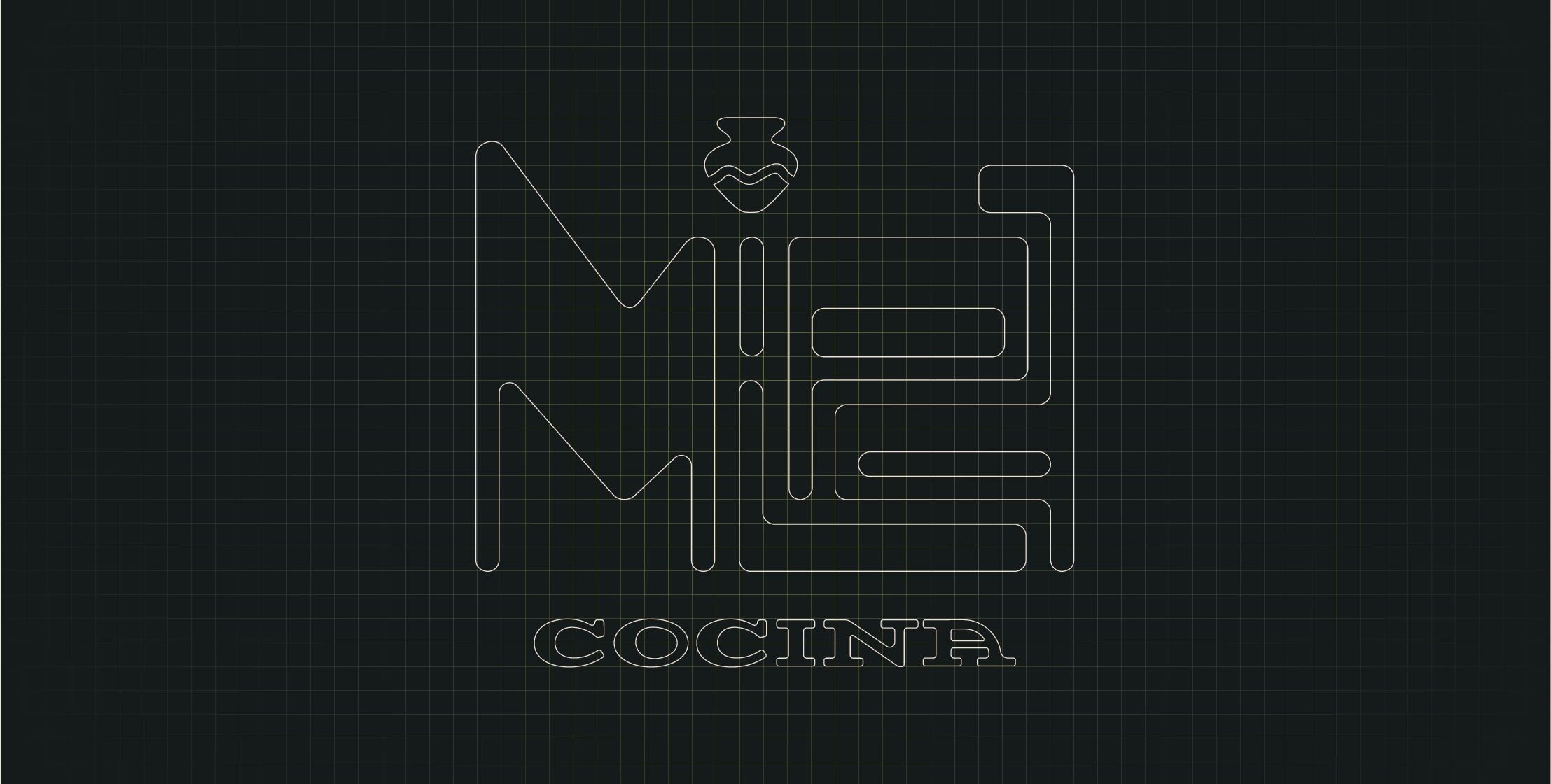
Primary Logo

Secondary Logomark
The Challenge
Creating a brand for Milpa required navigating rich cultural territory. The challenge wasn't simply designing for a food truck; it was building visual identity that honored ancestral heritage without reducing it to cliché. The brand needed to elevate Latin food to a demographic where is often viewed as "cheap eats," and also signal authenticity and depth while remaining accessible and contemporary. How do you design a brand that serves as a living archive of heritage while simultaneously representing what those traditions could evolve to become?
The Strategy
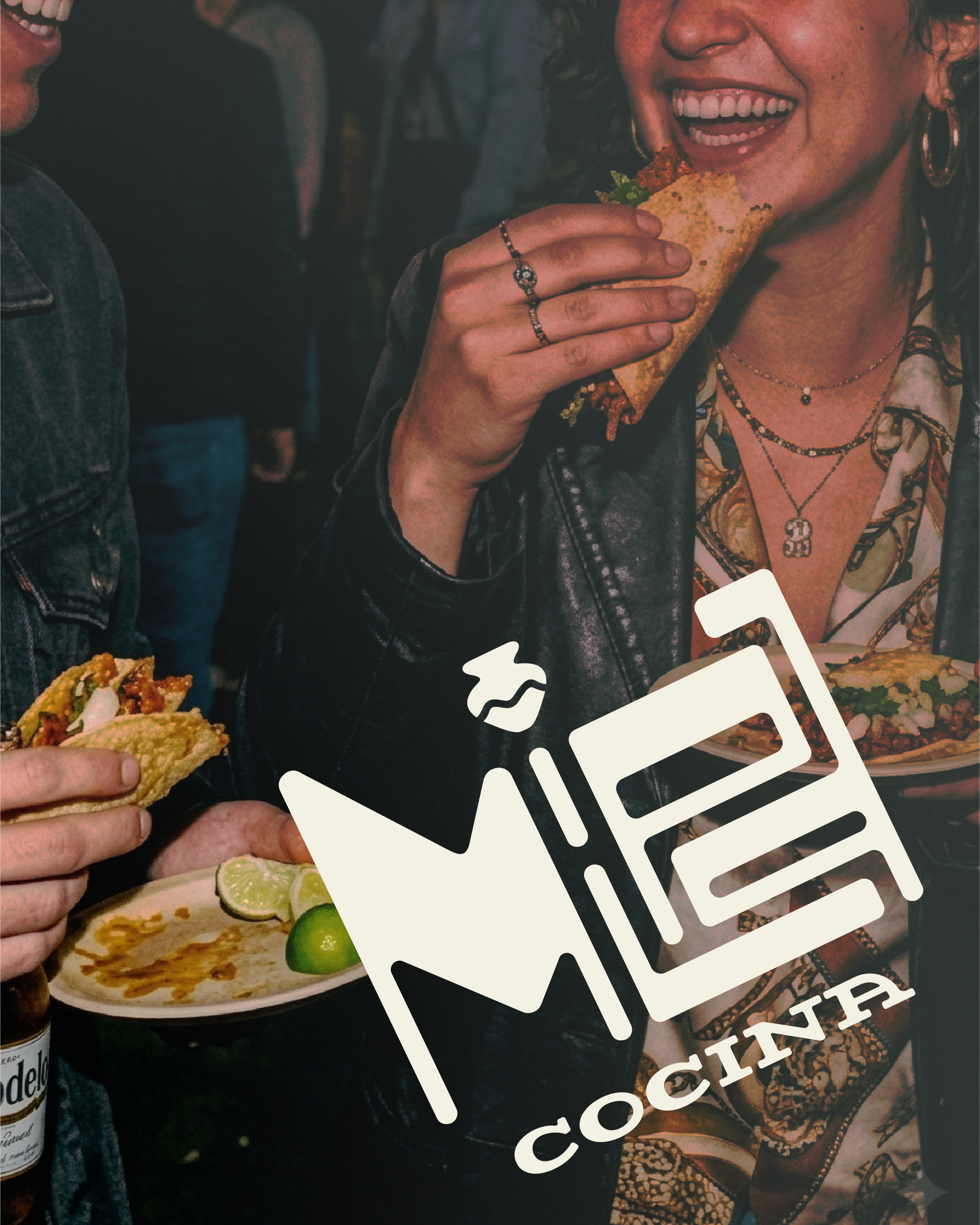
The Milpa identity emerges from a traditional Mesoamerican design language without relying on the familiar tropes that dominate Latin American branding in the United States. The custom wordmark employs variable width typography; remaining organic and handcrafted in feeling. The secondary, distinctive mark is seen in the tilde over the "i": a simple icon in the shape of a traditional woven basket. The negative space superimposed within is suggestive of a woven pattern, and functions as a secondary "M," creating a dual-purpose icon that works as both a linguistic element (distinguishing the "i" from the "L") and as a standalone symbol.
The color palette grounds the brand in natural, earthy tones: deep green and terra cotta red as primary colors, with a chili verde green accent. Chosen to tether the brand to its cultural roots through authentic color association rather than visual shorthand. Every design decision communicates sophistication and intention; a reflection of the chef's culinary philosophy.

Achiote
HEX
#692422
RGB
105, 36, 34
CMYK
0, 66, 68, 59
Lab
14, 126, 0
Tomatillo
HEX
#969C53
RGB
150, 156, 83
CMYK
4, 0, 47, 39
Lab
64, -15, 48
Ceniza
HEX
#151B1A
RGB
21, 27, 26
CMYK
22, 0, 4, 89
Lab
10, -14, 0
Horchata
HEX
#F1E3D2
RGB
241, 227, 210
CMYK
0, 6, 13, 5
Lab
90, 13, 5
The Conceptual Execution
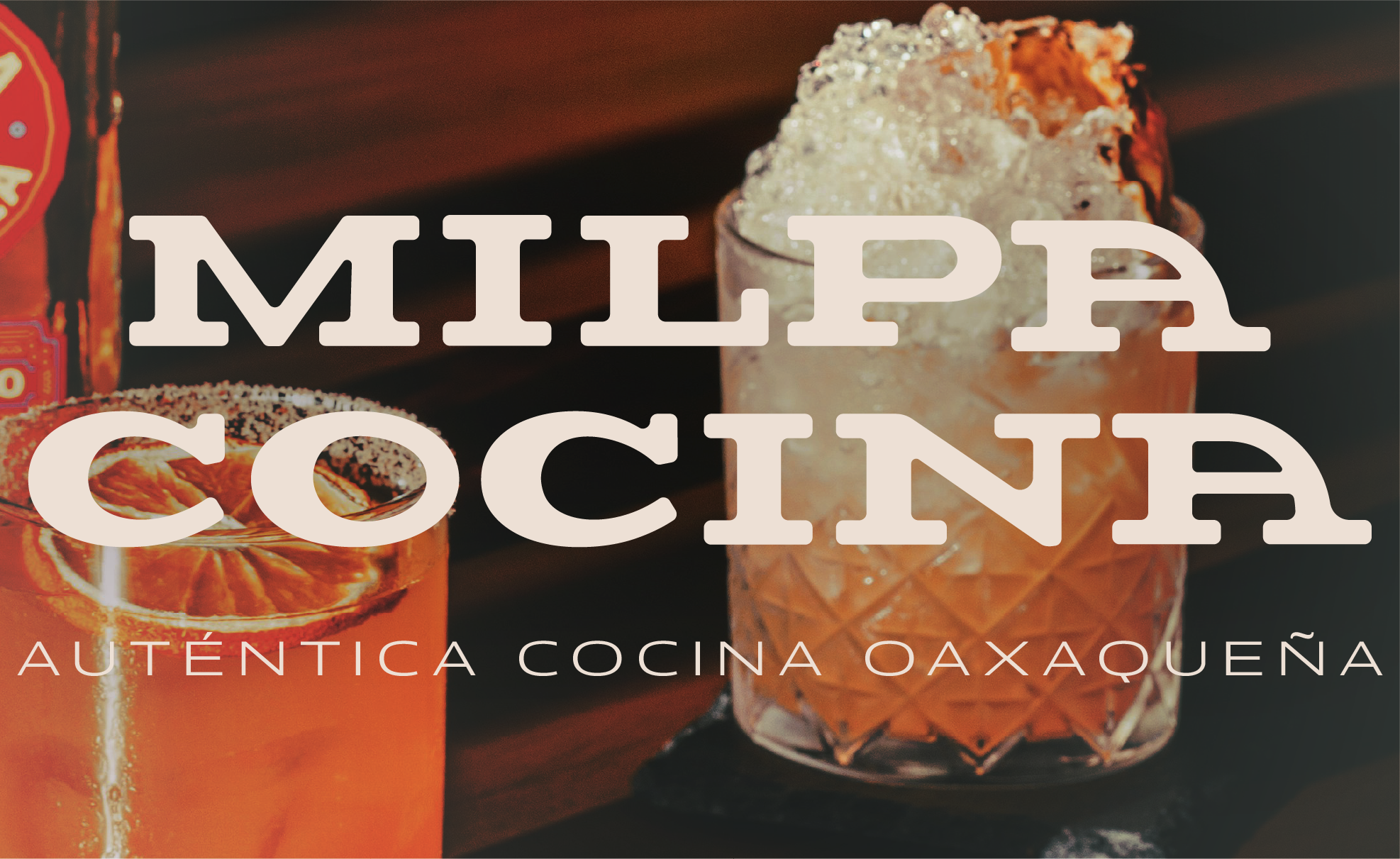
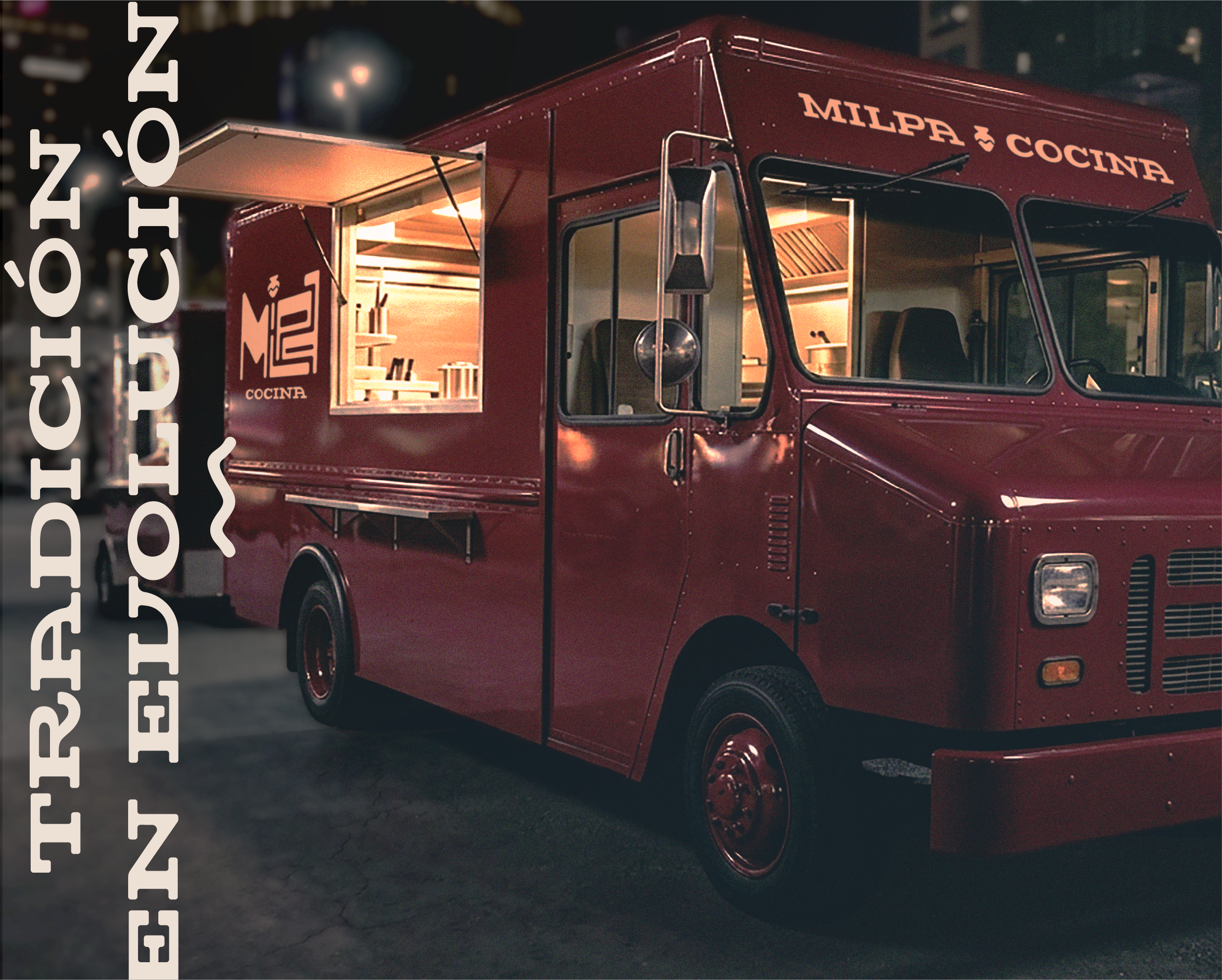
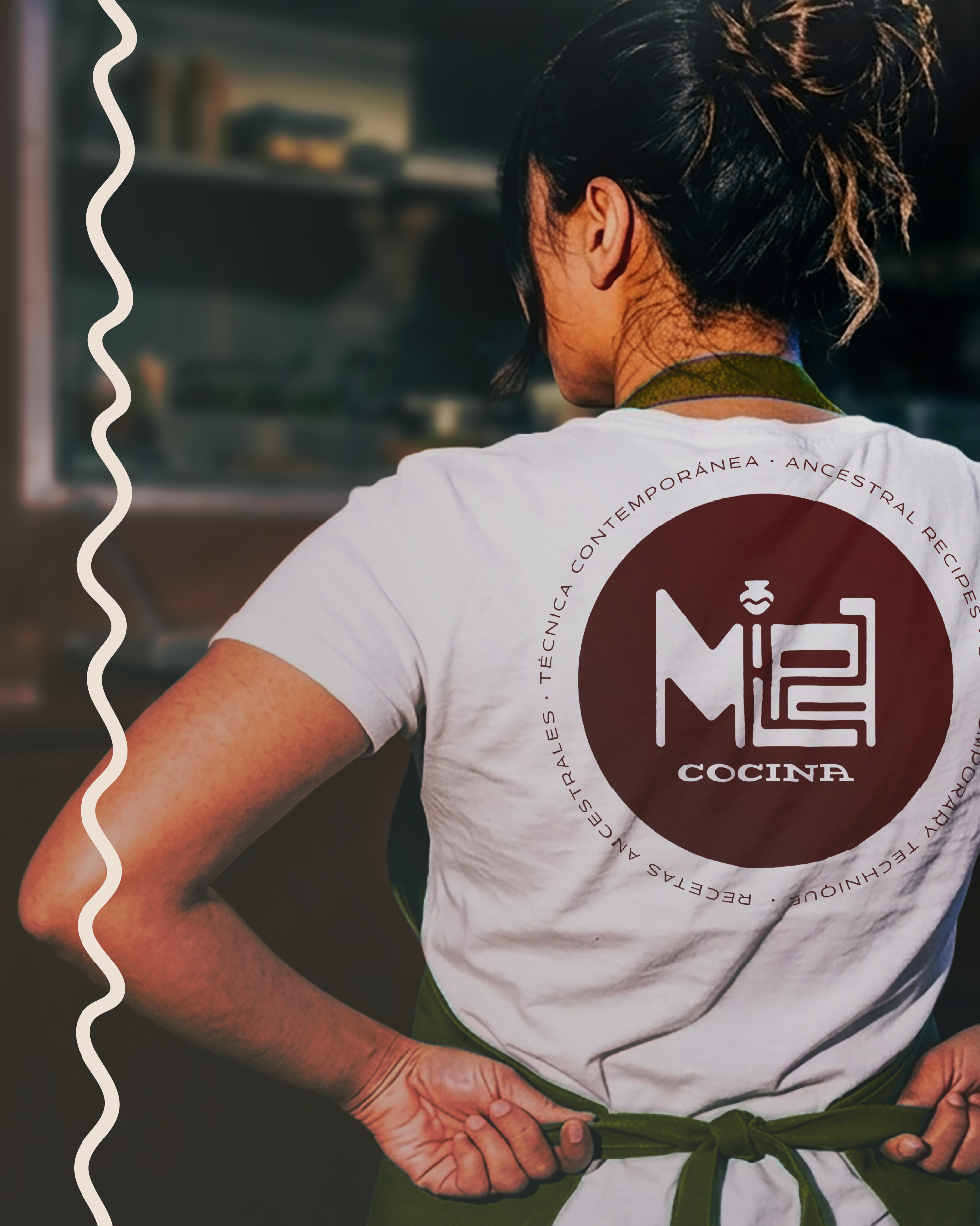
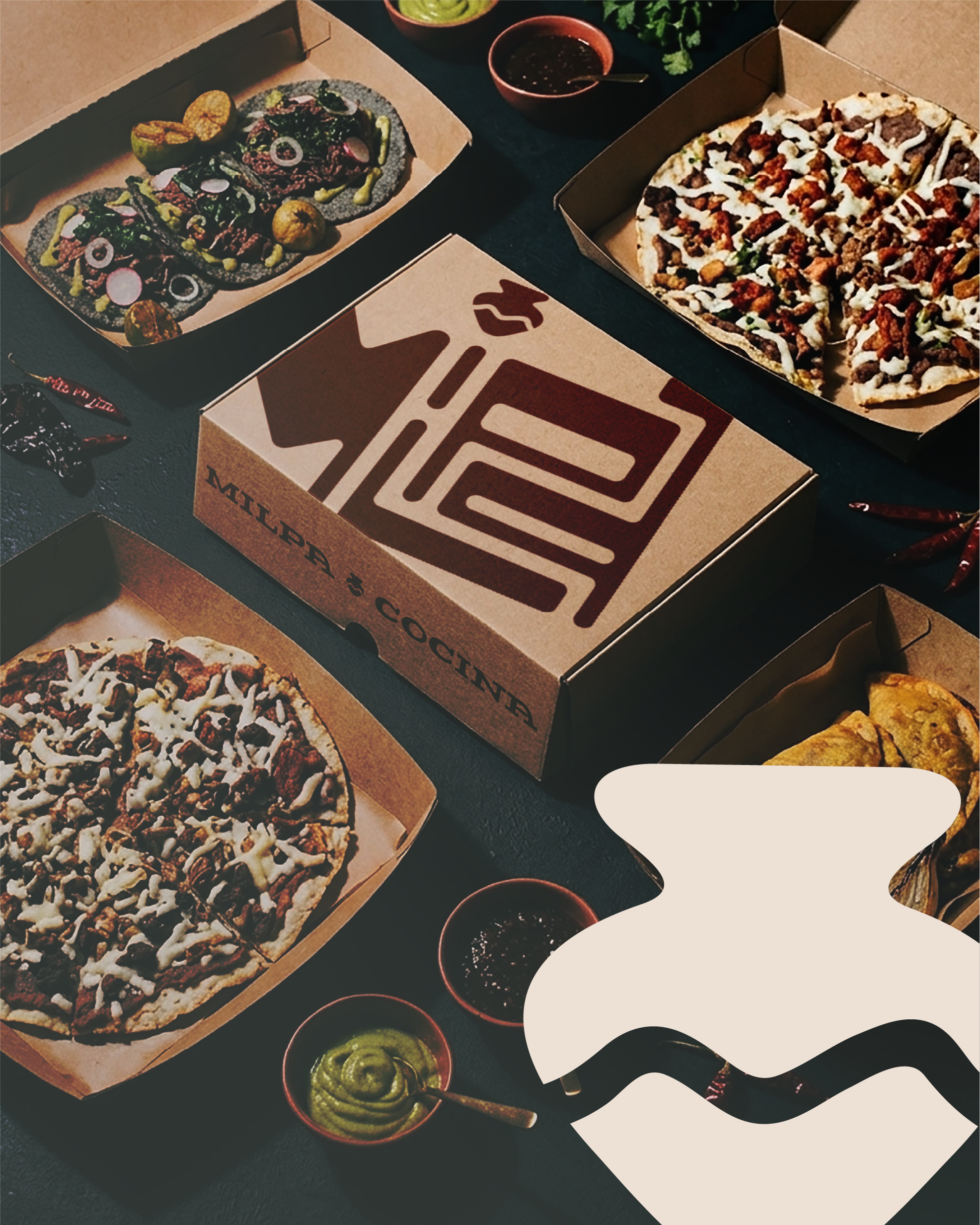
This identity would manifest across the food truck exterior, menu design, packaging, and social platforms. The custom wordmark becomes instantly recognizable within the Chicago street food landscape. The woven basket icon works as a standalone mark on cups, bags, and signage, carrying cultural meaning while maintaining contemporary design sophistication. The earthy color palette creates visual warmth without nostalgia.
What This Exploration Reveals
The Milpa case study demonstrates how strategic brand identity can serve as a vehicle for cultural preservation and contemporary relevance. It explores how visual language can honor ancestral knowledge without reducing it to stereotype, creating a brand that feels both authentic and innovative. The work highlights the importance of intentional design in communicating complex cultural narratives while appealing to modern consumers.
Ready?
Let'sbuildsomething
withstayingpower
You work hard; so should your brand. Every day it's not delivering for you and your business is a day that it could have been. Let's talk.